
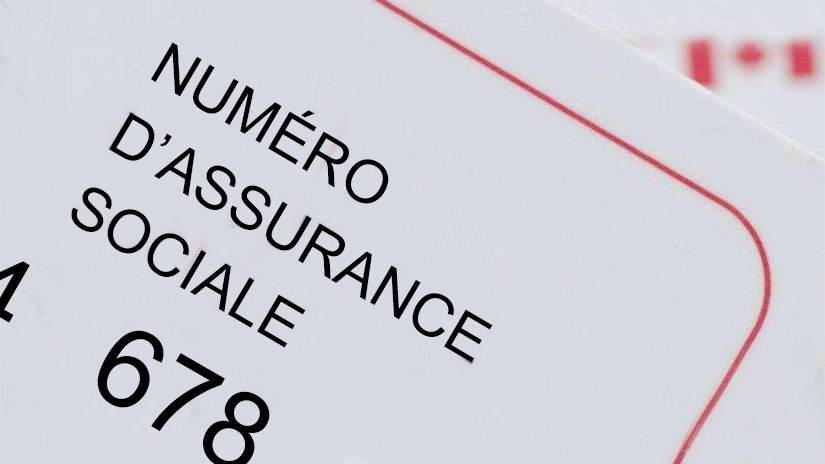
In the context of renting a dwelling, landlords may ask prospective tenants to provide their Social Insurance Number (SIN) in order to conduct a credit check. This practice sometimes raises questions. However, when done properly and with the applicant’s consent, its primary purpose is to ensure the accuracy of the information used to assess a tenant’s ability to pay.
The role of the Social Insurance Number in a credit check
As part of the rental process, landlords may request a Social Insurance Number to help identify the correct credit file. Indeed, other information such as name, address, or date of birth is not always sufficient and may lead to confusion.
For example:
- Some tenants move frequently, which means the address on their credit file may not always match the one shown on their identification.
- Dates of birth may be entered incorrectly or reversed.
- First and last names may vary depending on the documents: reversed order, presence of a middle name, or spelling differences.
All of these situations can lead to the wrong credit file being accessed, which is why voluntarily providing a Social Insurance Number in a rental context can also protect tenants themselves. Without a SIN to rely on, it is possible for another person’s credit file to be mistakenly associated with an applicant.
Such confusion can have significant consequences: a reliable tenant may be denied housing, or conversely, an applicant with payment issues may be accepted.
Information that must be provided voluntarily
Under Québec’s personal information protection rules, a landlord cannot require a prospective tenant to provide their Social Insurance Number. However, it may be requested with the tenant’s consent to facilitate the credit check.
In practice, many applicants agree to provide this information, as it helps reduce the risk of errors during the file review.
Reducing the risk of errors in file analysis
A credit check is an important step in selecting a tenant. It helps assess their payment habits and ability to pay rent.
Contrary to some beliefs, asking a tenant to provide their own copy of their credit report is not always reliable. A digital document may be altered or may not reflect the most up-to-date financial situation of the applicant.
Credit checks are particularly important in Québec, as landlords cannot require a security deposit when signing a lease, unlike in other parts of North America. Landlords must therefore rely on tools such as credit analysis to limit financial risks associated with renting.
By using recognized credit-check services, landlords obtain an up-to-date and reliable picture of the applicant’s situation.
Conclusion
In the context of renting a dwelling, the Social Insurance Number can help correctly identify a prospective tenant’s credit file. Although it cannot be required, it may be requested with the tenant’s consent to reduce the risk of errors during the credit check.
When used responsibly and transparently, this practice helps secure the rental process and protects both landlords and tenants.